"Wait, was I actually numbed?" — that's the best compliment we can get.
Now without the pressure pain
anesthesia itself is comfortable.
Seongmo Dental Clinic uses the i-ject computer-controlled painless anesthesia system.
From infiltration anesthesia to mandibular block anesthesia to periodontal ligament anesthesia that numbs just one tooth, it precisely controls injection pressure and speed, reducing the pain of the injection itself and minimizing post-treatment numbness.
Sungshin Univ. Seongmo Dental Clinic Computer-Controlled Painless Anesthesia (i-ject)
The i-ject is an anesthesia system in which a computer controls the pressure and speed at which the anesthetic is delivered. Seongmo Dental Clinic uses it for infiltration, inferior alveolar block and single-tooth periodontal ligament anesthesia as each case requires.
Dental fear doesn't start with the treatment — it starts with the anesthesia injection. We control that first step scientifically.
Sungshin Univ. dental painless anesthesia —
what does this equipment actually do?
i-ject is a painless anesthesia system in which a computer controls the pressure and speed of anesthetic delivery. Seongmo Dental Clinic uses it to reduce the pressure pain of the injection process and numb precisely as much of the treatment area as needed.
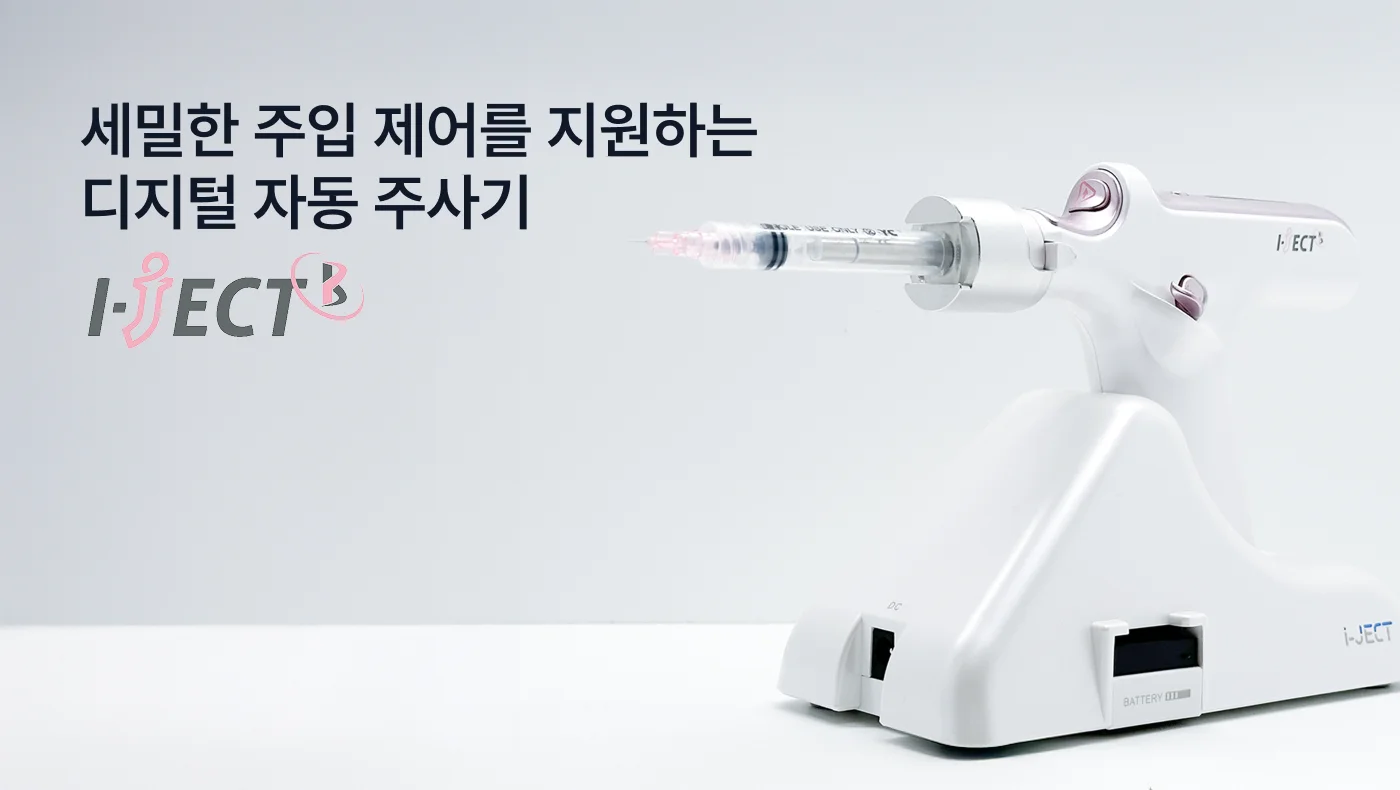
The biggest cause of dental fear is the pain of the anesthesia injection. In fact, much of that pain doesn't come from the needle itself but from the pressure created when anesthetic is pushed into tissue too quickly.
Seongmo Dental Clinic uses the i-ject computer-controlled painless anesthesia system to scientifically control this pressure. It's technology that goes beyond simply reducing injection pain — it changes the entire anesthesia experience into a comfortable one.
i-ject Core Technology
The Best Anesthesia, Delivered the Most Comfortable Way
Applies to Every Anesthesia Method
Numbs Only the Treatment Area, Precisely
"Wait, was I actually numbed?" is exactly what Seongmo Dental Clinic loves to hear.
How is the
anesthesia method chosen?
We choose infiltration, block, or PDL anesthesia based on treatment scope, location, and duration. Seongmo Dental Clinic has both i-ject and QuickSleeper intraosseous anesthesia on hand and applies them case by case.
There's no need to numb the entire lower jaw for a simple cavity treatment — conversely, a long procedure on several molars benefits from broad, long-lasting anesthesia. Anesthesia isn't better the stronger it is; it needs to fit the treatment.
Seongmo Dental Clinic uses both devices together — applying QuickSleeper intraosseous anesthesia for cases where anesthesia success rate matters most, and i-ject PDL anesthesia for cases where comfort and recovery matter most.
Anesthesia Choice by Treatment
Cavity Treatment · Composite Resin
Root Canal · Retreatment
Implants · Extractions
Scaling · Gum Treatment
The goal of anesthesia isn't strength — it's precision matched to the treatment.
Anesthesia for Just One Tooth —
PDL Anesthesia
PDL anesthesia precisely injects a small amount of anesthetic into the ligament space surrounding a tooth, numbing only that tooth — a technique that can only be performed reliably with equipment capable of consistent pressure control.
PDL anesthesia is technically demanding because maintaining consistent pressure by hand-pressing a syringe is difficult. Since i-ject delivers a small amount at a fixed rate, this method can be performed reliably.
It's especially helpful if you have an important meeting or meal planned for later, or if you've ever bitten your numb lip and hurt yourself.
Who We Recommend This For
Treated During Lunch Break
Bothered by Post-Anesthesia Numbness Before
Pediatric Patients
Anesthesia that puts to sleep precisely the one tooth that needs it.
The reason dental visits feel scary,
is usually in the first 5 minutes
Seongmo Dental Clinic follows a stepwise anesthesia protocol — topical anesthesia → computer-controlled injection → intraosseous anesthesia if needed — to ease the burden of that first step, checking in on your response throughout treatment.
Ask people why they put off going to the dentist, and the answers usually come down to "the needle scares me" or "it hurt last time." In other words, it isn't about clinical skill — it's that first-step experience that decides whether you come back.
This is exactly why Seongmo Dental Clinic invested in anesthesia equipment and built a protocol around it. Since opening near Exit 2 of Sungshin Women's University Station in 1998, we've seen firsthand that a comfortable start raises treatment completion rates.
Please Tell Us Before Treatment
Past Anesthesia Experience
Medications/Medical History
If Pregnant or Breastfeeding
A comfortable start is what gets a treatment seen through to the end.
Manual Injection vs. Computer-Controlled Painless Anesthesia
| COMPARISON | Conventional Manual Injection | Seongmo Dental Clinic i-ject |
|---|---|---|
| Injection Speed | Relies on hand feel | Computer-regulated, consistent |
| Pressure Pain | Prone to occur | Eased by speed control |
| PDL Anesthesia | Hard to maintain pressure | Performed reliably |
| Anesthesia Extent | Often numbs a wide area | Centered on the treatment area |
| Post-Treatment Numbness | Lasts several hours | Reduced extent/duration |
| Patient Burden | High injection anxiety | Eases anxiety at the start |
Anesthesia method and extent vary depending on the treatment, location, and overall health condition.
Painless Anesthesia — Glossary
- Computer-Controlled Painless Anesthesia
- An anesthesia method where a machine controls injection pressure and speed to reduce pain.
- Periodontal Ligament (PDL) Anesthesia
- A method that injects a small amount into the ligament space connecting a tooth to bone, numbing only that tooth.
- Infiltration
- A method that injects into the gum mucosa, letting the anesthetic seep through nearby bone.
- Block
- A method that numbs a wide area by anesthetizing around a nerve trunk.
- Topical Anesthesia
- A gel applied to the gum surface before injection to dull sensation.
- Intraosseous Anesthesia
- Anesthesia injected directly into cancellous bone. Seongmo Dental Clinic performs this with QuickSleeper.
Sungshin Univ. Computer-Controlled Painless Anesthesia — FAQ
If it's painless anesthesia, does it really not hurt at all?
We can't completely eliminate the sensation of the needle entering, but topical anesthesia and computer speed control greatly reduce the pressure pain that makes up most of the discomfort. Many patients tell us they didn't even notice when the anesthesia started.
How is i-ject different from QuickSleeper?
i-ject is a device that precisely controls the delivery of infiltration, block, and PDL anesthesia, while QuickSleeper is an intraosseous anesthesia device that injects directly into cancellous bone. Seongmo Dental Clinic uses each depending on the treatment.
I'm worried my lips will stay numb for a long time after treatment.
If only the treated tooth is numbed with PDL anesthesia, the extent and duration of numbness is reduced. However, for broader or longer procedures, block anesthesia may be more suitable.
I'm too scared of the anesthesia injection to go to the dentist.
Seongmo Dental Clinic proceeds step by step starting with topical anesthesia, checking your condition and adjusting speed at every stage. If your anxiety is significant, we can also make your first visit just an exam and consultation.
Can children also receive painless anesthesia?
Yes. Because it can deliver small amounts precisely, it's also used in pediatric care. That said, the method is adjusted based on the child's cooperation and the scope of treatment.
Is there an extra charge for anesthesia?
Anesthesia needed for treatment is part of the standard care process. If any non-covered items are involved, we'll let you know in advance.
References — Authoritative Medical Sources
Related Treatment Info
- All Advanced Equipment (Sungshin Univ.)
- Seongmo Special Care · Saving Natural Teeth
- General Dentistry · Cavities/Root Canal/Scaling
- Implants (Sungshin Univ.)
- Same-Day Restorations (Seongbuk-gu)
- Non-Covered Fee Guide
Results of any dental treatment can vary with individual oral condition, and whether a device applies depends on the case. Treatment method should be decided after a precise diagnosis and thorough consultation with your provider.


